Introduction
In today's busy digital landscape, the need for agility and flexibility in IT operations is higher than ever. Organizations are seeking ingenious services that can adapt to their altering needs without breaking the bank. Get in Open Network Hardware-- a transformative method that guarantees to redefine the method organizations manage their IT infrastructure. This short article delves deep into the nuances of open network hardware, exploring its benefits, applications, and how it acts as a driver for agile IT environments.
Open Network Hardware: A Game-Changer for Agile IT Environments
Open network hardware encompasses a series of networking devices developed with an open architecture. This permits organizations to customize their services based upon particular requirements instead of being locked into proprietary systems from developed vendors. In essence, it represents a paradigm shift towards more flexible, scalable, and economical networking solutions.
Understanding Open Network Hardware
What Is Open Network Hardware?
At its core, open network hardware refers to gadgets that follow open requirements and procedures. Unlike traditional exclusive systems that limit user options and versatility, open hardware permits higher personalization and interoperability amongst different components.
Key Elements of Open Network Hardware
Open Network Switches- These switches are designed to facilitate seamless data circulation within networks utilizing standardized protocols.
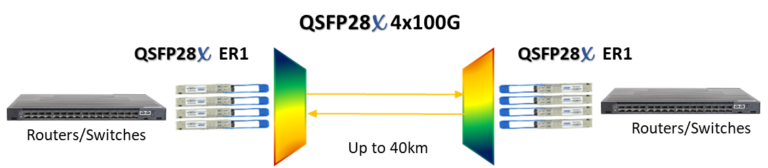
- Optical transceivers play a crucial function in fiber optic interactions by transforming electrical signals into optical signals and vice versa.
- Partnerships with reputable fiber optic cable televisions providers ensure that organizations have access to high-quality cabling services needed for effective information transmission.
- This category includes a broad spectrum of networking devices customized for service environments.
- These solutions make it possible for robust communication channels required for contemporary enterprises.
Benefits of Executing Open Network Hardware
Flexibility
One of the standout features of open network hardware is its inherent flexibility. Organizations can modify their systems as per developing company needs without being tied to a specific supplier's ecosystem.
Cost-Effectiveness
By adopting an open network approach, business often experience substantial expense savings related to both preliminary financial investments and ongoing operational expenditures. The capability to choose suitable elements means organizations can avoid costly vendor lock-in situations.
Enhanced Performance
With the right execution, open network hardware can considerably enhance network efficiency through enhanced setups customized to particular work or traffic patterns.
Vendor Independence
Organizations can blend and match various suppliers' products instead of relying exclusively on one provider's offerings. This self-reliance promotes healthy competitors among suppliers, driving down expenses while increasing innovation.
Challenges Associated with Open Network Hardware
Integration Complexity
While versatility is an advantage, integrating various elements from various suppliers can present intricacy in managing compatibility problems and making sure smooth operations throughout the system.
Skill Requirements
Organizations may require customized abilities or training to manage an open network environment successfully given that it varies from standard setups where everything is provided by one vendor.
Applications in Numerous Industries
Telecommunications Sector
The telecoms market has actually embraced open network hardware due to its ability to support diverse services while lessening expenses connected with exclusive systems.
- Example Usage Case: Telecom service providers using open switches to dynamically designate bandwidth based upon user need during peak usage times.
Data Centers
For information centers concentrated on performance and scalability, executing open networking enables them to respond quickly to changing workloads without substantial downtime or disruptions.
- Example Usage Case: Massive information centers utilizing compatible optical transceivers for faster data transmission throughout large infrastructures.
Real-World Success Stories of Open Network Implementation
Many companies have actually successfully transitioned to open network hardware, showcasing its effectiveness in real-world scenarios:
Global Telecom Provider
Faced with rising functional expenses, this supplier adopted open switches along with compatible optical transceivers, resulting in up to 30% cost savings in equipment expenditures while enhancing service shipment capabilities.
Leading Cloud Service Provider
How To Get going With Open Network Hardware?
Assess Your Requirements
Before diving into adoption, examine your present networking needs and determine areas where flexibility could yield significant benefits.
Choose Reliable Suppliers
Partnering with credible providers-- specifically fiber optic cable providers-- guarantees you get quality products important for ideal performance.
Build Knowledge In-House
Invest in training programs or workshops that equip your group with the skills needed for handling a nimble IT environment efficiently.
FAQs
1. What are some examples of open network hardware?
Open network switches, compatible optical transceivers, and business networking hardware are prime examples of this technology targeted at boosting versatility and efficiency within IT infrastructures.
2. How does one guarantee compatibility when picking components?
Constantly refer to market requirements recorded by organizations like IEEE or seek advice from your suppliers concerning compatibility concerns before making any purchases.
3. Can small businesses benefit from adopting open network hardware?
Absolutely! Small companies can utilize expense savings and boosted performance through personalized options matched specifically for their functional requirements without sustaining heavy expenses upfront.
4. What's the role of fiber optic cable televisions in an open networking environment?
Fiber optic cables supply high-speed connection necessary for transferring big quantities of data rapidly; hence they play an essential function in supporting overall system performance within such networks.
5. Are there any disadvantages to utilizing open network hardware?
Prospective drawbacks include combination complexity due to numerous supplier involvement as well as increased skill requirements; however these difficulties can often be reduced through appropriate preparation and training initiatives.
Conclusion
As organizations continue browsing towards digital improvement, welcoming innovations like open network hardware ends up being critical in cultivating agile IT environments efficient in adapting promptly in the middle of constant modification. With its myriad benefits-- from cost-effectiveness to improved performance-- it enterprise networking solutions stands out as not simply another trend but rather a vital tool paving the way forward in business networking solutions today!
Incorporating elements such as suitable optical transceivers in addition to partnerships from trusted fiber optic cable suppliers even more strengthens this framework's potential impact on telecom and data-com connection realms internationally-- ultimately developing itself as a true game-changer!